
Nigeria Gas Safety Conference
Nigeria is witnessing a steady shift toward gas use in households, transport, power generation, and industry. LPG is now a preferred cooking fuel, CNG adoption in transport is growing, and more companies are investing in gas-powered production and logistics. As this growth continues, safety remains the single most important condition for long-term market stability and public confidence.
The Nigeria Gas Safety Conference (NGSC) was created as a professional forum where operators, regulators, and investors can share practical experience and knowledge on how to keep gas operations safe from production to end use. NGSC is a platform for real industry learning, capacity building, and collaboration that leads to measurable improvements in gas operations and business outcomes.
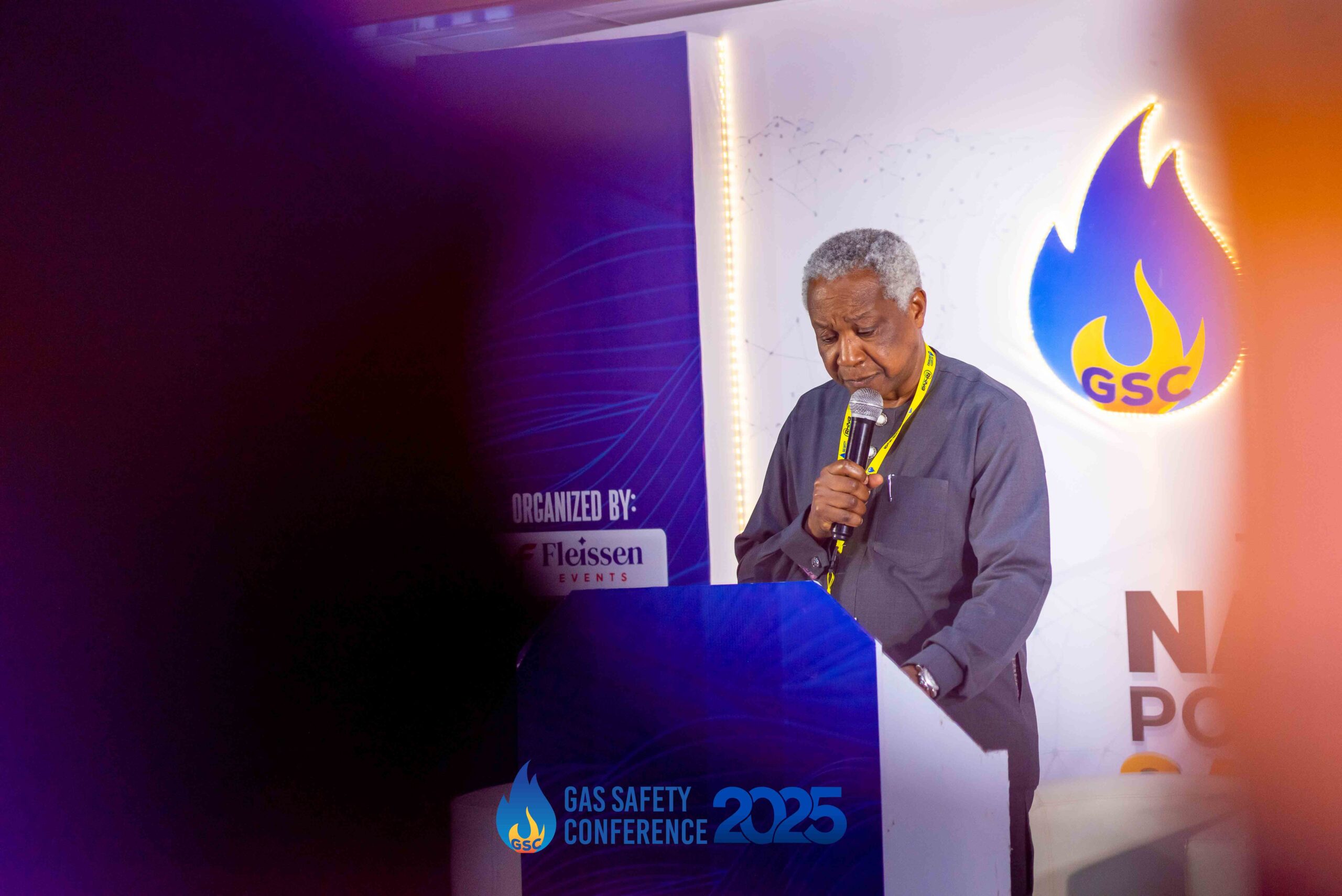
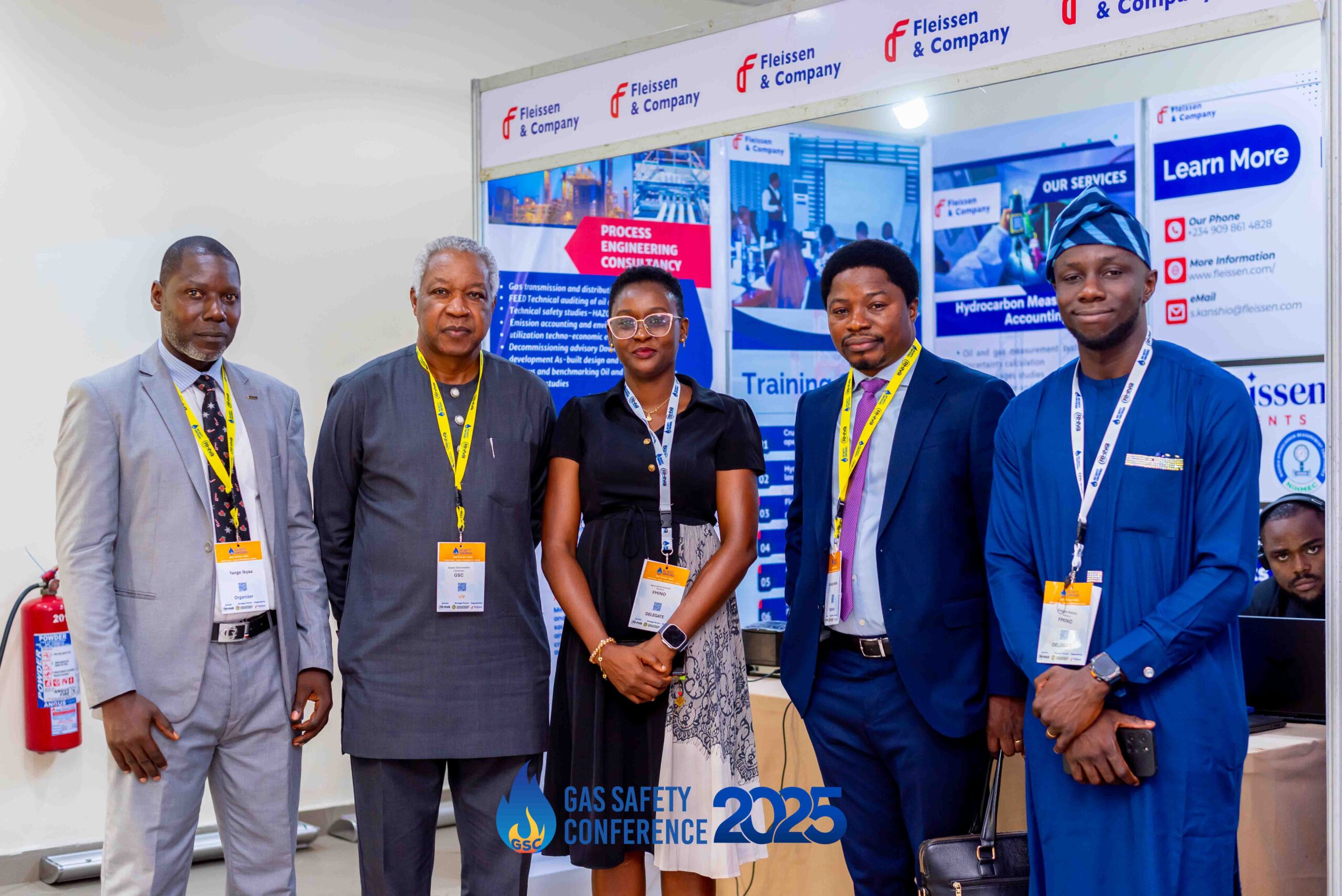
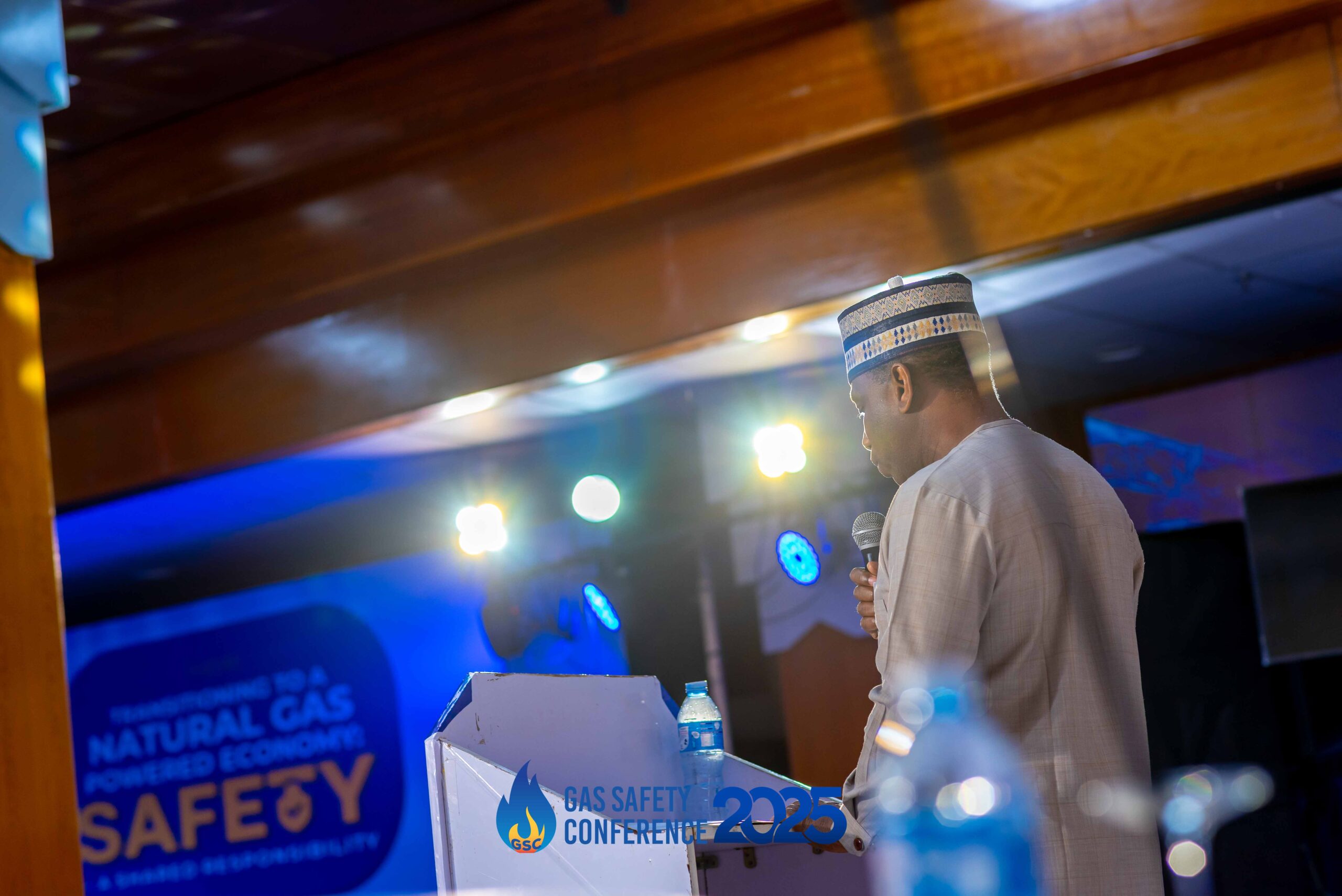
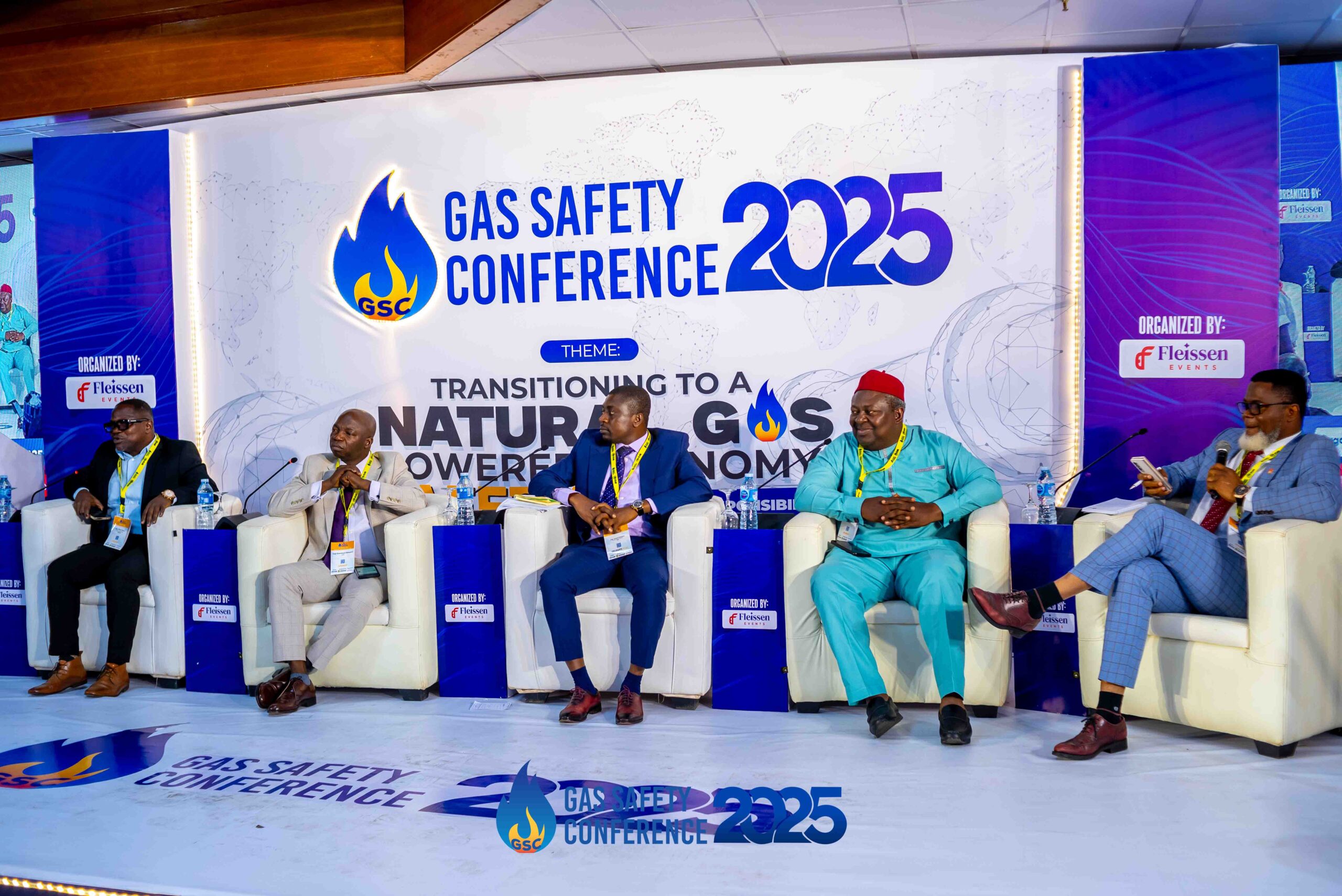
The GSC 2025 was themed Transition to a Natural Gas-Powered Economy: Safety – A Shared Responsibility. Over one hundred and fifty delegates from twenty-six institutions endorsed the first National Gas Safety Declaration. Sessions examined CNG conversion, LPG depot management, and emergency coordination, and opened discussions toward a National Gas Safety Code.
NGSC 2026 discussions will move beyond policy conversations to focus on practical strategies that strengthen regulatory compliance, operational and commercial systems, reduce risk, improve workforce competence, and reinforce a strong foundation for a sustainable domestic gas economy in Nigeria.
- NGSC 2026 Focus
The theme Gas Safety: Strengthening Systems for an Expansive Domestic Gas Economy reflects the need for stronger and more coordinated systems to support the rapid growth of gas use in Nigeria. It recognises that safety and operational discipline are the backbone of every successful gas enterprise.
-
Objectives
- Support the development of effective safety systems across the gas value chain.
- Build technical and management competence among operators and regulators.
- Share practical tools that help companies meet compliance and insurance requirements.
- Encourage investment in infrastructure that improves safety and reliability.
- Promote collaboration between industry players and emergency agencies.